In recent years, the food and beverage industry has been embracing new ingredients that combine nutrition, sustainability, and innovation. Among these, microalgae have emerged as one of the most exciting trends, capturing the attention of brands, formulators, and consumers alike.
Microalgae vs. Macroalgae – What’s the Difference?
When talking about algae ingredients, many people immediately think of seaweed (macroalgae). But there is another group of algae—microalgae—that is quickly gaining attention in the food and beverage world.
- Microalgae are microscopic, unicellular organisms that grow in different aquatic environments. They capture CO₂ efficiently, have high productivity, and can be cultivated in controlled facilities.
- Macroalgae (seaweeds) are multicellular and visible to the naked eye, found mainly in oceans and coastal ecosystems. Seaweed has a long tradition in Asian cuisine, while microalgae represent a newer frontier in functional nutrition.
This distinction is key: microalgae offer higher flexibility and bioactive potential for food innovation.
Why use microalgae in Food & Beverage products?
Microalgae are not just a novel ingredient. They bring clear advantages that align with today’s consumer and industry demands:
- Source of nutrients: proteins, amino acids, antioxidants, fatty acids, pigments, etc.
- Free of heavy contaminants such as mercury, lead, etc.
- Sustainability & productivity: cultivation does not compete with agricultural land, can use different water sources, and can be increased without limitations.
- Cleaner and more efficient source of fucoxanthin or other main active compounds.
- Higher concentration of bioactive compounds than other raw materials.
- Innovation driver: opens the door for novel plant-based and functional products that stand out in the market.
In short, microalgae respond to the growing consumer search for nutritious, more natural, and eco-friendly foods and beverages.
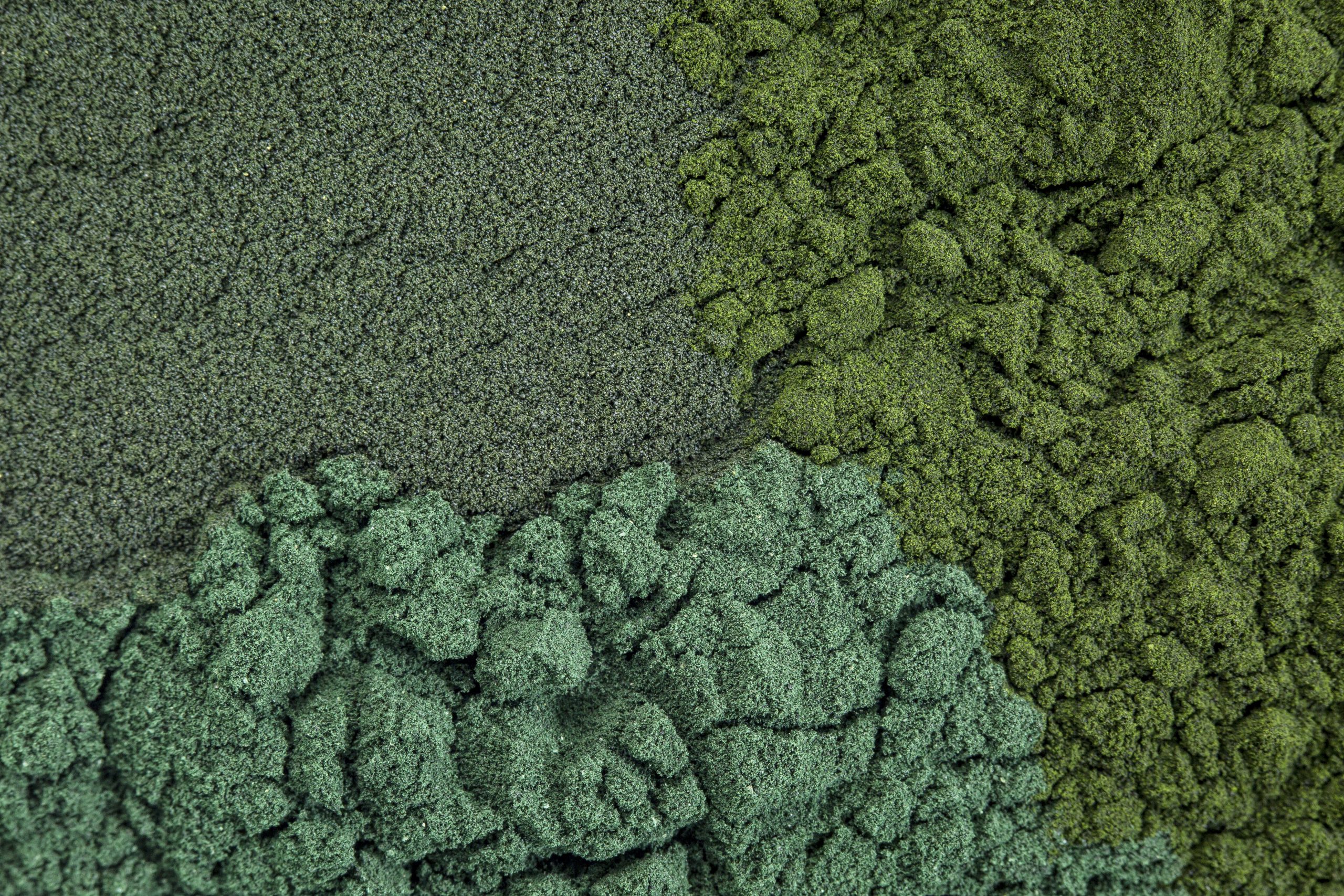
Microalgae at the Forefront of F&B Innovation
Spirulina (Limnospira platensis)
- Claims: Improves physical performance, supports weight control, boosts the immune system, enhances digestive health, regulates cholesterol and blood glucose, supports cardiovascular health, and contributes to skin and hair wellness.
- Applications: Dairy products and ice cream, cakes, sports nutrition, and prepared dishes.
Chlorella (Chlorella vulgaris)
- Claims: Known for its detoxifying power, supports immune function, aids digestion, boosts energy and overall well-being, and has benefits for skin care.
- Applications: Dairy and ice cream, cakes, beverages, sports nutrition, and prepared dishes.
Tetraselmis (Tetraselmis chui)
- Claims: Contributes to cardiovascular health, offers neuroprotective benefits, and is appreciated in gourmet applications.
- Applications: Beverages and prepared dishes.
Phycocyanin (extract from Limnospira platensis)
- Claims: A natural blue color additive with antioxidant properties.
- Applications: Dairy and ice cream, cakes, beverages, and sports nutrition.
Published by: Disproquima
Our Ingredients, Trends,